
отправить электронное письмо info@xinhuatextile.com
Нужна помощь?+86 -13805995216
отправить электронное письмо info@xinhuatextile.com
Нужна помощь?+86 -13805995216

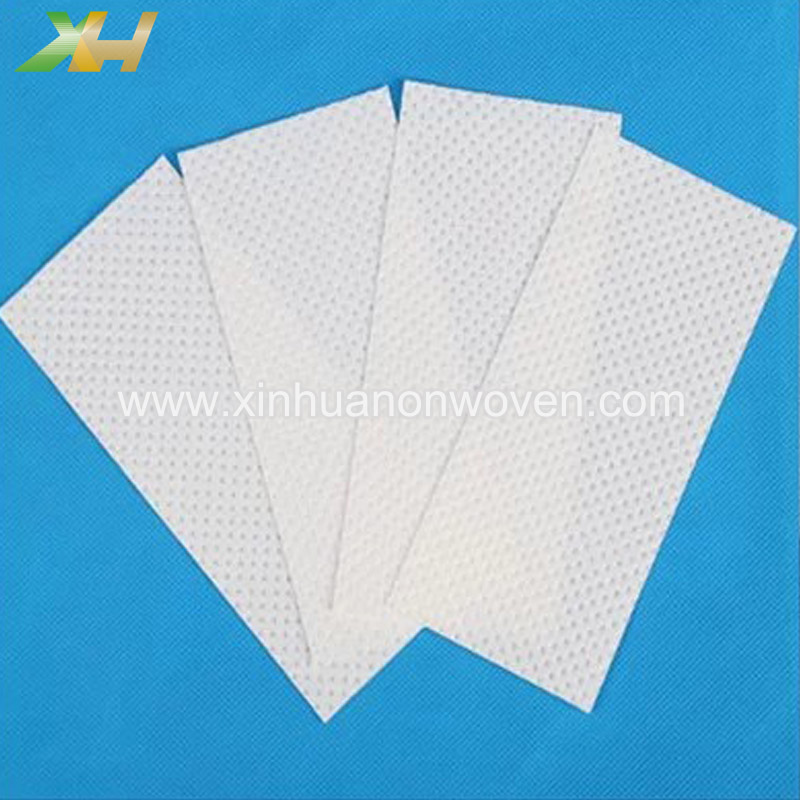
Нетканый материал представляет собой плоский пористый листообразный материал, получаемый непосредственно из диспергированных волокон, расплавленного пластика или пластиковых пленок. В отличие от традиционных процессов прядения или ткачества, эти материалы соединяются между собой механическим, термическим или химическим способом.
Эти различные производственные процессы приводят к созданию различных типов нетканых материалов:
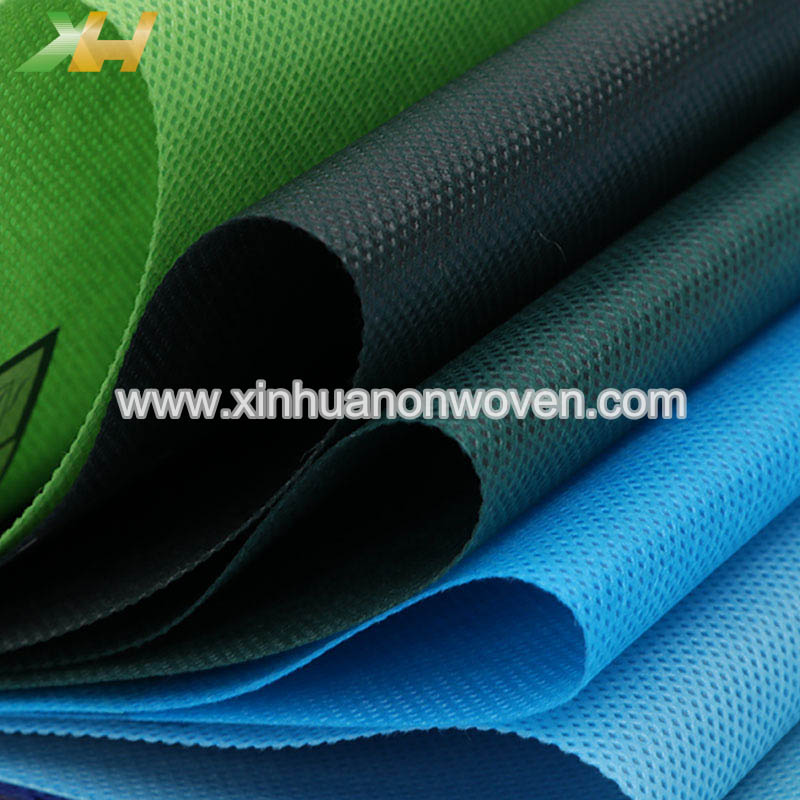
Нетканый материал спанбонд:
Нетканый материал спанбонд Это прочный, легкий текстильный материал, характеризующийся водоотталкивающими свойствами. Его производство включает экструзию расплавленных полимеров (таких как полипропилен) для образования непрерывных нитей, их укладку в виде сетчатой структуры и последующее соединение — обычно с помощью термической сварки. Известный своей долговечностью, экономичностью и воздухопроницаемостью, этот материал пользуется большим спросом в широком спектре промышленных и потребительских применений.
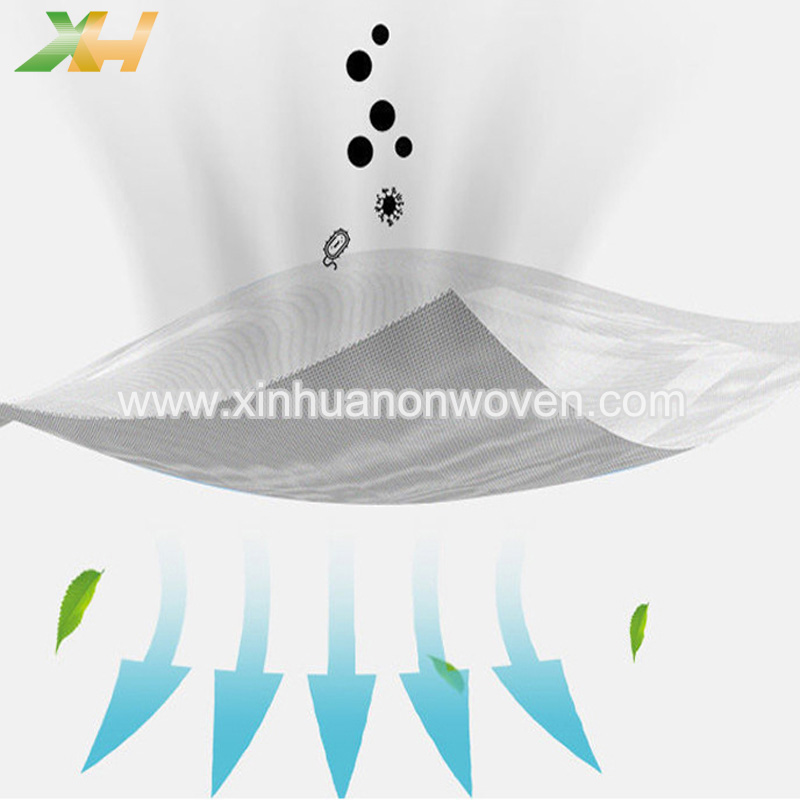
Нетканый материал, полученный методом выдувного формования:
нетканый материал, полученный методом выдувания расплава Это высокопористый, ультратонковолоконный материал, используемый в основном в качестве фильтрующего материала в медицинских масках, респираторах и промышленных системах фильтрации воздуха/жидкостей. Процесс его производства включает экструзию расплавленных полимеров (таких как полипропилен) и использование высокоскоростных потоков горячего воздуха для их разжижения (вытягивания и измельчения), создавая таким образом плотный, сетчатый барьер, способный эффективно улавливать микроскопические частицы.
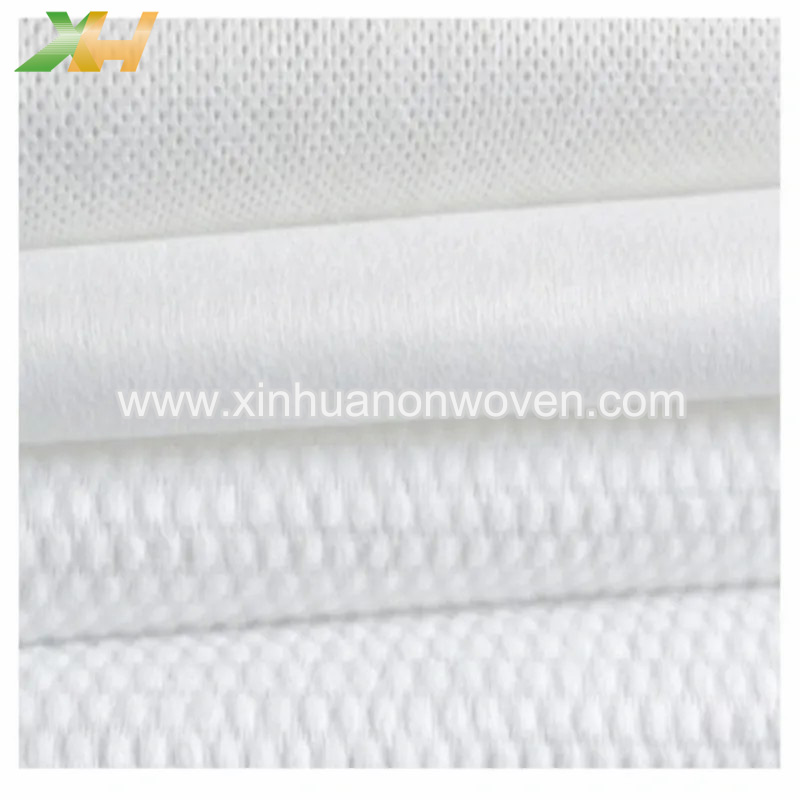
Нетканый материал спанлейс:
нетканый материал спанлейс Это универсальный, мягкий на ощупь и прочный материал, получаемый в процессе, известном как гидросплетение (или гидросвязывание), при котором с помощью струй воды под высоким давлением механически сплетается сетка волокон. Этот процесс механического связывания приводит к переплетению и переплетению волокон без необходимости использования химических связующих веществ. Полученный нетканый материал обладает превосходной впитываемостью, хорошей воздухопроницаемостью и не образует ворса, что делает его широко используемым в медицине, косметологии и промышленной протирке.
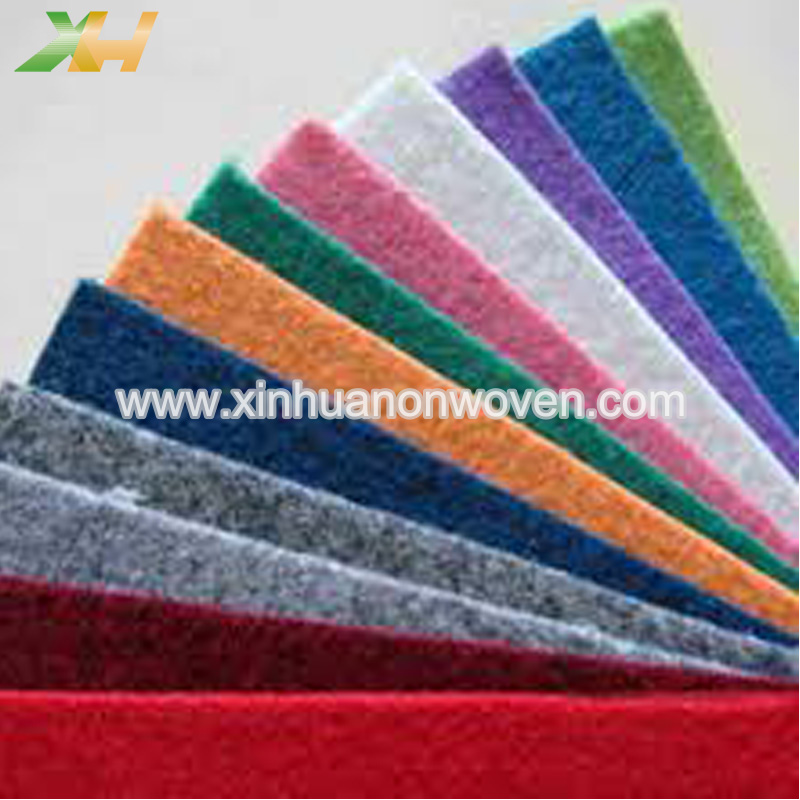
Нетканый материал, изготовленный методом иглопрокалывания:
Нетканый материал, полученный иглопробивным методом, представляет собой прочный, войлокоподобный текстильный материал, создаваемый путем механического прокалывания свободных волокон тысячами зазубренных игл, в результате чего волокна переплетаются и скрепляются между собой. Известный своей исключительной прочностью, водопроницаемостью и превосходными фильтрующими свойствами, этот материал является идеальным выбором для применения в гражданском строительстве, ландшафтном дизайне и различных промышленных секторах.
Нетканый материал, скрепленный швами:
Нетканый материал, скрепленный нитями методом «сшивания», представляет собой прочный композитный материал, получаемый в процессе производства, при котором непрерывные нити механически сшиваются и укрепляют рыхлые волоконные полотна. По сравнению со стандартными неткаными материалами, скрепленными химическим или термическим способом, а также иглопробивными неткаными материалами, этот «сетчатый» армированный материал демонстрирует превосходную устойчивость к разрыву, стабильность размеров и гибкость.
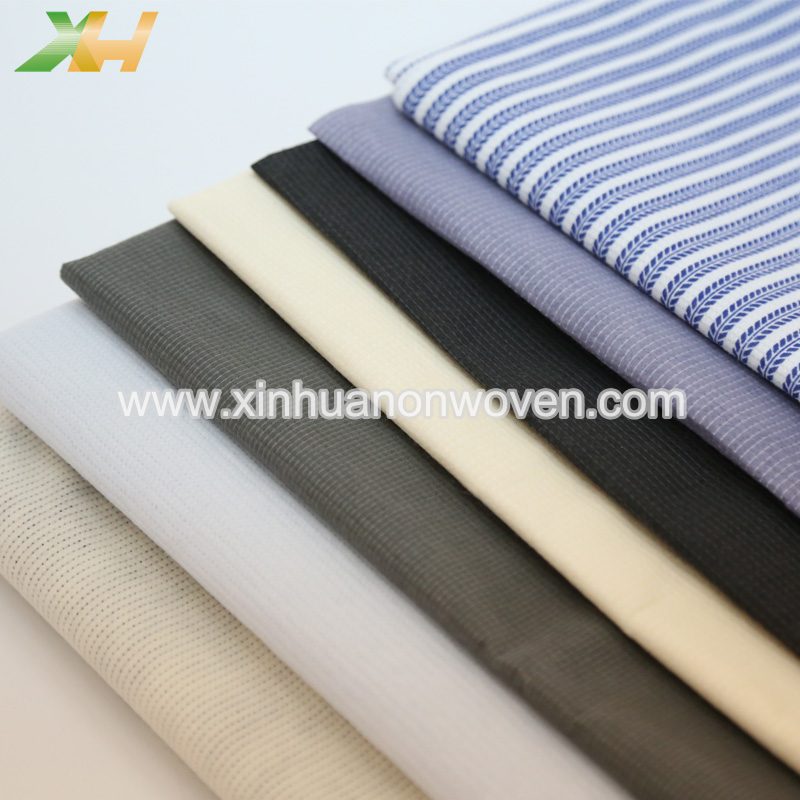
Нетканый материал, скрепленный химическими соединениями:
Химически скрепленный нетканый материал — это высокотехнологичный текстиль, получаемый путем нанесения жидких связующих веществ, таких как акрилаты или смолы, на слои рыхлых волокон. Этот процесс сплавляет волокна в стабильный и прочный материал, ценимый за доступность, мягкую текстуру, комфорт при ношении и возможность индивидуальной настройки свойств, включая впитываемость и огнестойкость.
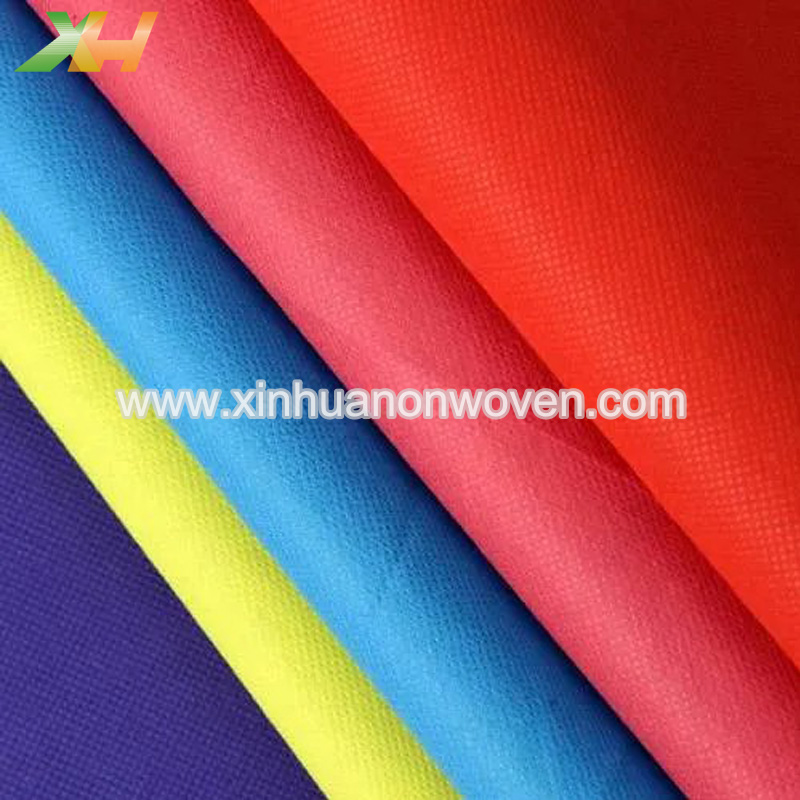
Термосклеенный нетканый материал:
Термосклеенный нетканый материал — это мягкий, легкий и экономичный материал, получаемый путем термической обработки волокнистого полотна, состоящего из термопластичных волокон (таких как полипропилен или полиэстер). Процесс нагрева вызывает локальное плавление в местах пересечения волокон, создавая тем самым прочную, воздухопроницаемую и регулируемую по свойствам склеенную структуру без необходимости использования химических связующих.
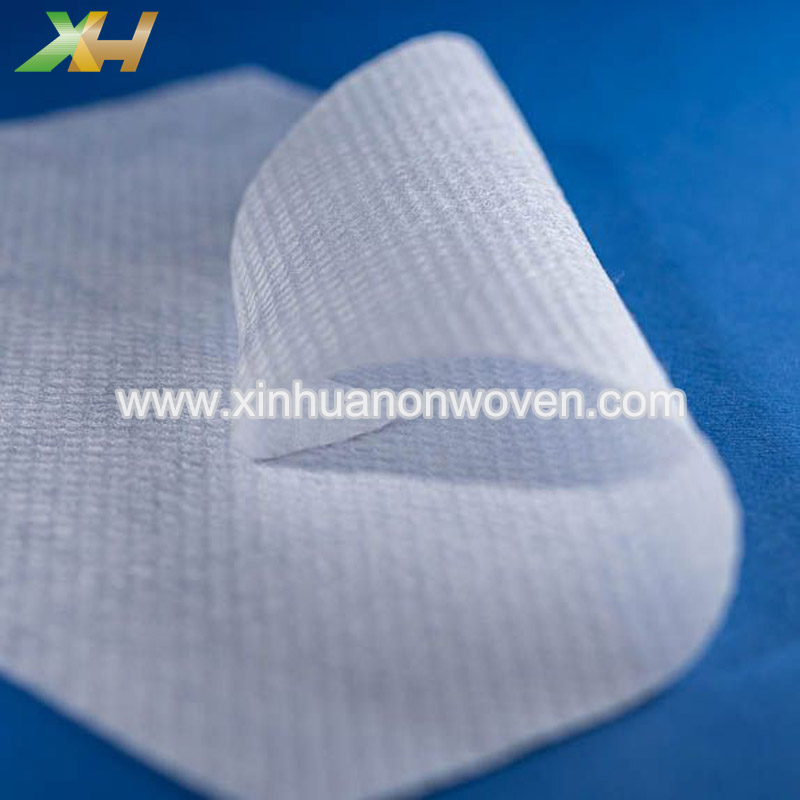
Нетканый материал, изготовленный методом мокрого формования:
Нетканый материал, изготовленный методом мокрого формования, представляет собой технический текстиль, производимый с использованием процесса, заимствованного из традиционных технологий производства бумаги. Измельченные натуральные, синтетические или стеклянные волокна суспендируются в воде, образуя суспензию; затем эта суспензия наносится на движущееся сито, обезвоживается и скрепляется, образуя в конечном итоге высокооднородную, изотропную структуру волокнистого полотна.
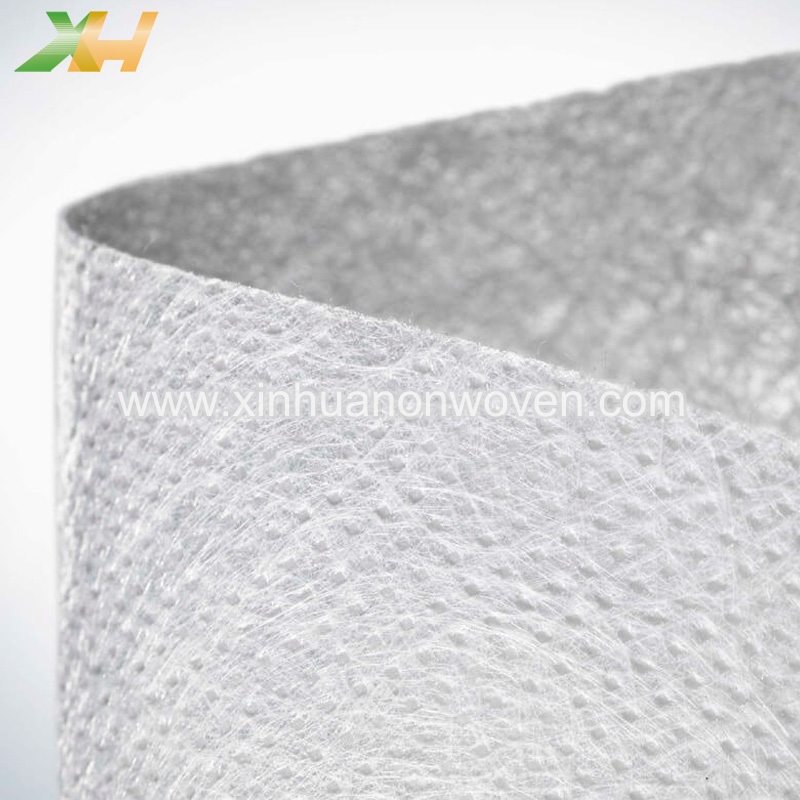
Нетканый материал, полученный методом воздушной формовки:
Нетканый материал, полученный методом воздушно-струйной обработки, представляет собой высокоабсорбирующий и мягкий на ощупь материал, состоящий в основном из древесной целлюлозы и/или синтетических волокон. В отличие от традиционной бумаги или текстиля, получаемых методом мокрой укладки, уникальная структура этого материала формируется путем диспергирования и скрепления волокон с помощью высокоскоростного воздушного потока. Он широко используется в таких областях, как одноразовые гигиенические изделия, медицинские принадлежности и упаковочные материалы.
Продолжайте читать, оставайтесь в курсе событий, подписывайтесь, и мы будем рады, если вы поделитесь с нами своим мнением.
Авторские права
@ 2026 Текстильная компания «Синьхуа» с ограниченной ответственностью Все права защищены
. ПОДДЕРЖИВАЕМАЯ СЕТЬ
Hi! Click one of our members below to chat on
 Русский
  English
 Français
 Deutsch
 Italiano
 Español
 Português
 عربي
عربي Indonesia
 עִברִית


